
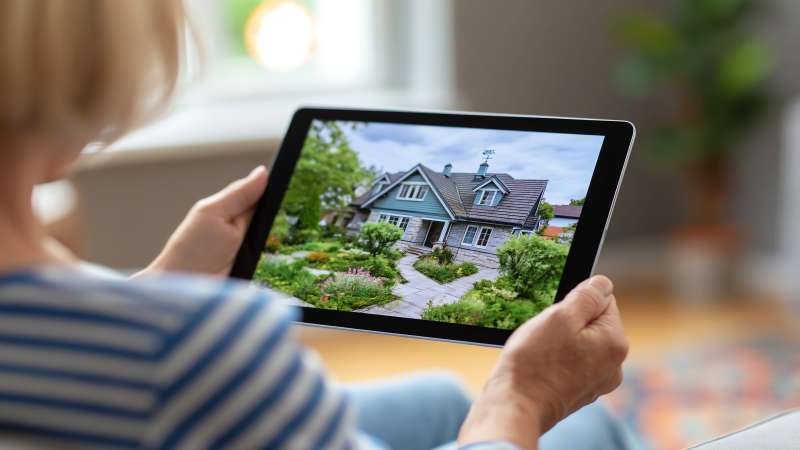
Technology has changed the way people search for homes, communicate with property professionals, compare properties, and manage everyday living spaces. Digital platforms now make it possible to access property information quickly, explore homes remotely, complete paperwork electronically, and manage connected household systems from a smartphone.
The concept of homerocketrealty modern technology reflects this broader transformation. Modern digital tools can connect property information, communication, automation, and smart-home features into a more convenient experience. Artificial intelligence, virtual platforms, digital documentation, property databases, and connected devices can all contribute to a more efficient real-estate and home-improvement environment.
However, technology does more than make property transactions faster. It can also change how homeowners use their properties after moving in. Smart lighting, security systems, climate controls, energy monitoring, and voice assistants can create a more connected home.
This guide explains the major technologies shaping modern real estate and smart homes, how they work, their benefits, potential limitations, and practical ways homeowners can use them.
What Is Modern Technology in Real Estate?
Modern real-estate technology refers to digital tools that help property professionals and consumers manage different stages of the property journey.
These technologies can support:
- Property searches
- Online listings
- Virtual property tours
- Digital communication
- Electronic documentation
- Property databases
- Market research
- Customer management
- Artificial intelligence
- Smart-home integration
- Remote property management
Instead of relying entirely on physical meetings, printed documents, and traditional property visits, people can now complete many tasks digitally.
For buyers, this can make property research more convenient. For sellers and professionals, technology can improve communication and help organize large amounts of information.
How Digital Platforms Improve Property Transactions
A modern property transaction involves many pieces of information. Buyers may need property details, photographs, floor plans, financial information, inspection documents, and communication with several parties.
Digital platforms can bring many of these activities into one accessible environment.
For example, a digital property platform may allow users to search listings, compare properties, communicate with representatives, schedule appointments, and access documents.
This reduces unnecessary paperwork and can make information easier to access.
Nevertheless, technology should support human decision-making rather than replace careful research. Buyers should still inspect properties, verify important information, review contracts, and seek professional advice when appropriate.
Virtual Tours Make Property Viewing Easier
Virtual tours represent one of the most useful developments in modern property technology.
A traditional property search requires a buyer to travel to each location. That process can consume significant time, particularly when someone is comparing properties in different cities or regions.
Virtual tours offer another option.
Using interactive photographs, 360-degree views, video walkthroughs, or virtual-reality experiences, prospective buyers can explore parts of a property remotely.
Benefits of Virtual Tours
Virtual tours can provide several advantages:
- Save travel time
- Help buyers narrow down their choices
- Provide remote access to properties
- Support international or long-distance searches
- Allow repeated viewing
- Make initial property research more convenient
For example, someone moving to a new city can examine multiple homes online before deciding which properties deserve an in-person visit.
However, a virtual tour should not automatically replace physical inspection. Camera angles, lighting, room dimensions, odors, noise levels, structural conditions, and surrounding environments may not appear accurately online.
Therefore, buyers should use virtual tours as an initial research tool.
Digital Paperwork Speeds Up Transactions
Paperwork has traditionally consumed considerable time in real estate.
Contracts, disclosures, applications, approvals, and other documents can involve multiple parties. Printing, signing, scanning, and physically delivering documents can create unnecessary delays.
Electronic documentation and e-signature systems can simplify this process.
Instead of printing every document, authorized parties can review and sign documents digitally. This approach can improve convenience and help organizations track document status.
Digital paperwork can also reduce physical storage requirements and make documents easier to organize.
However, users should still read every agreement carefully. A digital signature does not make a contract less important. Buyers and sellers should understand the terms before signing.
Artificial Intelligence in Property Technology
Artificial intelligence is becoming increasingly important across many industries, including real estate.
AI systems can analyze large amounts of information quickly and assist with tasks that would otherwise require significant manual effort.
Potential real-estate applications include:
- Property recommendations
- Search personalization
- Automated customer communication
- Market-data analysis
- Document organization
- Lead management
- Property descriptions
- Predictive analysis
- Virtual assistants
For example, an AI-powered system may analyze a user’s stated preferences and help identify properties that match those requirements.
AI can also help professionals organize information and respond to common questions more efficiently.
Nevertheless, AI-generated information can contain mistakes. Therefore, users should verify important information independently before making financial or legal decisions.
Property Databases Provide Faster Access to Information
Modern property databases can store and organize large quantities of property information.
A well-designed database can help users find details such as:
- Property type
- Location
- Number of bedrooms
- Property size
- Features
- Listing status
- Images
- Price information
- Historical information, where available
Search filters can then help users narrow thousands of possibilities into a smaller selection.
This saves time and makes property research more manageable.
For professionals, centralized databases can also improve organization and communication because relevant information can remain available through digital systems.
How Smart Homes Connect With Real Estate
Technology does not stop when a property transaction ends.
Modern homes increasingly include connected devices that allow residents to control different household functions digitally.
Smart-home technology can connect:
- Lighting
- Heating and cooling
- Security cameras
- Door locks
- Sensors
- Appliances
- Entertainment systems
- Energy monitors
- Voice assistants
These devices can communicate through apps, hubs, or other connected systems.
As a result, homeowners can control certain aspects of their properties remotely.
Smart Lighting
Smart lighting provides a simple introduction to home automation.
Instead of operating every light manually, homeowners can use smartphone applications, schedules, sensors, or voice commands.
For example, a homeowner can configure lights to:
- Turn on at a specific time
- Turn off automatically
- Respond to motion
- Follow a daily schedule
- Be controlled remotely
Smart lighting can also contribute to convenience and potentially help reduce unnecessary energy use when properly configured.
However, homeowners should choose compatible devices and ensure that their network remains secure.
Smart Security Systems
Home security has also benefited from connected technology.
Modern systems may include:
- Smart cameras
- Motion sensors
- Door and window sensors
- Smart locks
- Video doorbells
- Alarm systems
- Remote notifications
Many systems allow homeowners to monitor activity through smartphone applications.
For example, a smart doorbell can notify a homeowner when someone approaches the entrance. A connected camera may allow remote viewing.
However, security devices collect potentially sensitive information. Homeowners should therefore use strong passwords, enable available security features, update device software, and carefully review privacy settings.
Smart Climate Control
Heating and cooling systems can also benefit from automation.
Smart thermostats can allow users to create schedules and adjust temperatures remotely. Some systems can learn household patterns or respond to environmental conditions.
For example, homeowners may reduce heating or cooling when nobody is home and restore comfortable temperatures before returning.
This combination of automation and monitoring can improve convenience and may help households manage energy consumption more effectively.
Still, the exact energy savings depend on the property, equipment, climate, insulation, household behavior, and configuration.
Voice-Controlled Home Technology
Voice assistants can provide another layer of convenience.
Instead of opening an application, users may control compatible devices through voice commands.
A connected voice system can potentially control:
- Lights
- Thermostats
- Music
- Smart plugs
- Certain appliances
- Security devices
Voice control can also support accessibility by reducing the need for physical interaction with devices.
However, homeowners should consider privacy implications before placing voice-enabled devices in sensitive areas.
The Role of Mobile Applications
Mobile applications connect many modern technologies.
A single application can potentially allow homeowners to monitor or control several devices.
For example, a smart-home app may show:
- Security notifications
- Temperature readings
- Lighting status
- Door-lock status
- Energy information
- Connected-device activity
This centralization makes technology easier to manage.
However, homeowners should check compatibility before purchasing devices. Different manufacturers may use different ecosystems, communication standards, or subscription models.
Home Automation and Everyday Convenience
Automation can turn repetitive household activities into scheduled actions.
For example, homeowners can create routines that:
- Turn lights off at bedtime
- Adjust temperature overnight
- Lock connected doors
- Activate security systems
- Control outdoor lighting
- Monitor certain household conditions
These routines can save time because users do not need to repeat the same manual actions every day.
Nevertheless, automation should remain easy to override. A good smart-home system should make life easier rather than create additional complexity.
Homerocketrealty Modern Technology and the Connected Home
The idea behind homerocketrealty modern technology extends beyond digital property listings. Modern technology can connect the property-search experience with the way homeowners eventually use and manage their homes.
Virtual tours can help people explore properties remotely. Digital paperwork can simplify documentation. AI can support information management, while smart-home systems can improve everyday convenience after a purchase.
This connection creates a more complete digital property experience.
However, consumers should not assume that every property platform offers every technology mentioned in this guide. Available tools depend on the platform, service providers, property, location, and technology ecosystem involved.
Benefits of Modern Technology for Homeowners
Modern technology can provide several practical advantages.
Convenience
Digital tools allow users to complete many tasks remotely. Homeowners can check information, communicate with professionals, manage devices, and monitor certain systems without being physically present.
Efficiency
Automation reduces repetitive tasks and can help organize property-related information.
Accessibility
Virtual tours and digital communication can make property research easier for people who cannot immediately travel to every location.
Better Organization
Digital databases can make large amounts of information easier to search and manage.
Remote Management
Smart-home applications can allow homeowners to monitor and control compatible systems while away from home.
Potential Challenges
Despite its benefits, modern technology also creates challenges.
Privacy
Connected devices can collect information about household activity. Users should understand what information devices collect and how providers handle it.
Cybersecurity
Internet-connected devices can introduce security risks if users neglect passwords, software updates, or network protection.
Compatibility
Devices from different manufacturers may not always work together seamlessly.
Cost
Smart-home equipment, subscriptions, installation, and maintenance can increase expenses.
Technical Problems
A device may stop working because of software problems, internet outages, compatibility issues, or hardware failures.
Therefore, homeowners should evaluate technology based on actual needs rather than purchasing devices simply because they are marketed as smart.
How to Choose the Right Technology
Before purchasing a smart-home device or digital property service, consider your priorities.
Ask yourself:
- What problem will this technology solve?
- Does it work with my existing devices?
- Does it require a monthly subscription?
- How does the manufacturer handle data?
- What security features does it provide?
- Can I continue using the device if the internet fails?
- Is professional installation necessary?
- How long is the expected product lifespan?
These questions can prevent unnecessary purchases.
Start With Simple Improvements
Homeowners do not need to automate their entire property at once.
A better approach involves starting with one or two useful improvements.
For example, you might begin with smart lighting or a programmable thermostat. Once you understand the system, you can expand gradually.
This strategy keeps costs manageable and makes troubleshooting easier.
Protect Your Smart Home
Security should remain a major priority.
Use strong, unique passwords for smart-home accounts. Enable multi-factor authentication whenever the provider offers it. Keep device firmware and applications updated.
Additionally, secure your home Wi-Fi network and avoid connecting unfamiliar devices without understanding their purpose.
Review privacy settings regularly, especially for cameras, microphones, location services, and other devices that collect sensitive information.
Future Trends in Home Technology
The future of home technology will likely involve greater integration between digital platforms, artificial intelligence, automation, and connected devices.
Potential developments include:
- More intelligent home automation
- Better energy monitoring
- Advanced property-search tools
- Improved virtual property experiences
- AI-assisted home management
- Greater interoperability between devices
- More sophisticated security systems
As technology develops, consumers will have more options for connecting property management with everyday household activities.
However, the most valuable technology will not necessarily be the most complicated. Systems that solve real problems, remain reliable, and respect user privacy can provide greater long-term value.
Frequently Asked Questions
What does modern technology mean in real estate?
It refers to digital tools such as virtual tours, electronic paperwork, property databases, artificial intelligence, online communication, and other technologies that improve property-related processes.
How do virtual tours help buyers?
Virtual tours allow buyers to explore properties remotely. They can save time and help people decide which properties deserve an in-person visit.
Can smart-home technology increase convenience?
Yes. Smart lighting, security systems, thermostats, and other connected devices can automate repetitive tasks and provide remote control.
Is AI reliable for property decisions?
AI can help organize and analyze information, but users should independently verify important financial, legal, property, and market information before making decisions.
Does smart-home technology cost a lot?
Costs vary significantly. Some systems require only a small initial investment, while comprehensive installations can cost considerably more and may involve ongoing subscriptions.
Should I automate my entire house?
Not necessarily. Start with technologies that solve specific problems and expand your system gradually as your needs develop.
Final Thoughts
Technology continues to reshape both real estate and everyday home life. Virtual tours can make property research more convenient, digital paperwork can reduce administrative delays, AI can assist with information management, and property databases can make large amounts of information easier to access.
At the same time, smart-home technology can transform how homeowners control lighting, security, climate systems, and other household functions.
The broader concept of modern technology in home and property management highlights how digital tools can connect property transactions with modern home management. However, consumers should always verify specific services, compare technology options, consider privacy and cybersecurity, and understand the costs involved.
Ultimately, the best technology is not necessarily the newest technology. It is the technology that solves a genuine problem, improves convenience, works reliably, and fits the homeowner’s needs. By choosing digital tools carefully and introducing smart features gradually, homeowners can create a more connected, efficient, and comfortable living environment.
For more info visit HomeRocketRealty